
 Send Inquiry
 Call Us : +905524799947

 Get A Quote
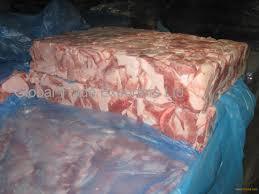
Pork front hock
Product Details:
- Color Pinkish Red
- Admixture (%) 0%
- Pack Type Vacuum Pack or Polybag
- Flavor Natural Pork Flavor
- Usage Culinary, best for soups, broths, and stews
- Moisture (%) Up to 75%
- Grade A
- Click to view more
X
Pork front hock Product Specifications
- 1.0 - 1.5 kg per piece (approx.)
- Front Hock
- High Protein, Rich in Collagen
- Pinkish Red
- Culinary, best for soups, broths, and stews
- Pork
- Not Dried
- Vacuum Pack or Polybag
- 0%
- Uncooked
- Natural Pork Flavor
- Quick Frozen
- 12 months (if stored at -18°C)
- A
- Up to 75%
- Frozen
- With Bone
- 6-8 months
- Tested for pathogens
- 10-15 kg/carton
- Keep Frozen Until Use
- Varies, generally 10-15%
- -18C or lower
- Yes
Product Description
Frozen Pork Front Hock on offer.Other offers;
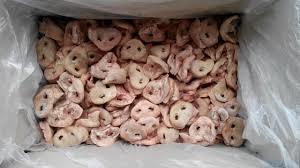
Frozen Shaved pork riblets, 10 kg cartons
Frozen Pork back feet, 10 kg cartons
Frozen Pork tails and tail bones, 10 kg cartons
Frozen Pork heads ,10 kg cartons
Frozen Pork sternums ,10 kg cartons
Frozen Pork Neckbones ,15 kg cartons
Frozen Pork Backbones ,15 kg cartons
Frozen Pork Whole Ears ,10 kg cartons
Frozen Pork masks, 10 kg cartons
Frozen Pork Loinribs, 9-12 Cm, 15 kg carton
Frozen Pork Stomachs, 10 kg Carton
Frozen Pork Back Skin, 20 Kg carton
Frozen Pork Cutting Fat, 20 Kg carton
Frozen Pork Backfat, 20 kg carton
Frozen Pork Tongues, Swiss Cut, in carton
Frozen Pork Collar, Bone-in, in Carton
Frozen Pork Leg Boneless, Polyblock
Frozen Pork Loin Bone-in, Carton
Frozen Pork Loin Boneless, Carton
Frozen Pork Belly, Bone-in, Rind on, N2, In carton
Frozen Pork Moonbones, 10 Kg carton
Frozen Pork Humerus Bones, 20 Kg carton
Frozen Pork Femur Bones, 20 Kg carton
We supply frozen pork front/hind feet preliminarily cleaned from blood and contaminations and completely satisfy the sanitary requirements to treatment quality.
Premium Quality Pork Front Hock
Sourced from healthy animals aged 6-8 months, our pork front hocks are selected for optimum tenderness and nutrition. With Grade A classification, each cut is vacuum-packed or sealed in polybags to ensure freshness and keep contaminants out. Rigorous pathogen testing guarantees safe consumption, making this product suitable for both commercial and domestic culinary needs.
Packaging and Storage Solutions
Each pork front hock is individually packed and then grouped in cartons weighing 10-15 kg for convenient handling. Quick freezing at or below -18C locks in moisture and flavor, maximizing shelf life up to 12 months. Always keep frozen until youre ready to use to ensure its guaranteed freshness and microbiological safety.
Versatile Culinary Applications
Known for its rich connective tissue and protein content, the front hock offers exceptional flavor and texture in a variety of dishes. Its particularly valued in slow-cooked creations like soups, broths, and stews, where long simmering brings out the deep, natural pork flavor and extracts collagenwhich adds body and richness to your recipes.
FAQs of Pork front hock:
Q: How should Pork Front Hock be stored to maintain freshness and safety?
A: Pork Front Hock should be kept frozen at -18C or lower from arrival until the moment of use. Proper storage preserves its guaranteed freshness and microbiological safety for up to 12 months.Q: What is the recommended cooking process for using Pork Front Hock?
A: For best results, allow the hock to thaw in the refrigerator before cooking. Afterwards, it is ideal for slow simmering in soups, broths, or stews, which will extract its natural flavors and collagen-rich goodness.Q: When is Pork Front Hock best used in culinary preparations?
A: This cut excels in recipes that require slow cooking, making it perfect for hearty winter dishes, special gatherings, or anytime you desire a rich, nutrient-dense base for soups and stews.Q: Where is Pork Front Hock sourced from and what quality measures are in place?
A: Our Pork Front Hocks are sourced from animals aged 6-8 months in Turkey and undergo strict quality controls, including pathogen testing and adherence to Grade A standards, ensuring a safe and premium product.Q: What are the main benefits of using Pork Front Hock in meals?
A: The front hock is high in protein and rich in collagen, adding both nutritional value and a satisfying texture to dishes. Its natural pork flavor enhances culinary creations, particularly slow-cooked recipes.Q: How can Pork Front Hock be packaged for bulk distribution?
A: Each pork hock is vacuum-packed or placed in polybags, then stored in cartons weighing between 10-15 kg. This packaging method maintains freshness during export, distribution, and wholesale supply.Q: What handling instructions should be followed to ensure product quality?
A: Always keep the product frozen until ready to use and avoid repeated thawing and freezing. Refer to packaging guidelines for best practices in thawing and handling prior to cooking.Tell us about your requirement

Price:
Quantity
Select Unit
- 50
- 100
- 200
- 250
- 500
- 1000+
Additional detail
Mobile number
Email

Other Products in 'Pork Meat' category

Contact Us

- Kurtulus Meydani Inonu Bulvari No. 70, Klas Plaza A Blok, Kat 13 D.24-26,Mersin - 33940, Icel, Turkey
ABBAY TRADING GROUP, CO LTD

- Mr. Chris Jones (Sales Manager/Sales)
- Mobile : +905524799947
- abbaytradings2015@gmail.com
- Mr. Chris Jones (Sales Manager/Sales)
Whatsapp +90 552 479 9947
Video
 Send Inquiry
ABBAY TRADING GROUP
All Rights Reserved.(Terms of Use)
Developed and Managed by Infocom Network Private Limited.
Developed and Managed by Infocom Network Private Limited.

