
 Send Inquiry
 Call Us : +905524799947

 Get A Quote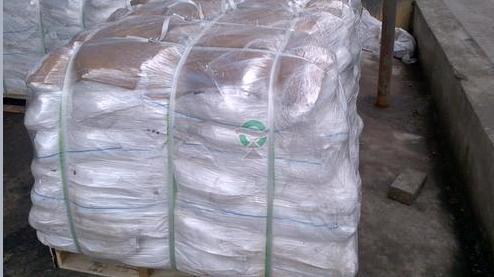
Soda Ash Light and Dense
Product Details:
- Poisonous Non-poisonous
- Density 2.53 Gram per cubic centimeter(g/cm3)
- Solubility Soluble in Water (215 g/L at 20°C)
- Shape Powder (Light), Granular (Dense)
- Shelf Life 24 Months
- EINECS No 207-838-8
- HS Code 28362000
- Click to view more
X
Soda Ash Light and Dense Product Specifications
- 105.99 g/mol
- Alkaline
- pH regulator, Cleansing, Water softening, As flux
- 497-19-8
- 11.2 (1% solution)
- Glass Manufacturing, Detergents, Water Treatment, Chemical Industry
- Keep in a dry, cool, tightly sealed container
- 99-99.5%
- Odorless
- O=C([O-])[O-].O=[Na+].O=[Na+]
- Fine Powder (Light), Granular (Dense)
- 1.502
- White Powder or Granular
- 851°C
- Sodium Carbonate (Na2CO3)
- Inorganic Chemical
- Na2CO3
- Industrial, Food, Pharma
- Alkaline, Highly Soluble in Water, Efflorescent, Non-combustible
- 24 Months
- 28362000
- 207-838-8
- Non-poisonous
- Soluble in Water (215 g/L at 20°C)
- Powder (Light), Granular (Dense)
- 2.53 Gram per cubic centimeter(g/cm3)
- Not hazardous
- 0.10% max
- 25 kg/50 kg PP bags with PE liner
- 0.5% max
- 0.5-0.6 g/cm3 (Light), 1.0-1.2 g/cm3 (Dense)
- 11.2
- 0.003% max
- 100-200 mesh (Light), 1-2 mm (Dense)
- Not classified as hazardous for transport
- UN 1823
Product Description
Soda ash is the common name for sodium carbonate (Na2CO3), a white, odorless powder that is used in many industrial and household applications. Soda ash is available in two different forms: light and dense.
Soda ash light is a fine, white powder that has a lower density than soda ash dense. It is commonly used in applications where a fine particle size is required, such as in the manufacturing of glass, detergents, and chemicals. Soda ash light is also used in water treatment, where it can be added to adjust the pH of water and remove heavy metals.
Soda ash and dense, on the other hand, is a heavier, more granular form of sodium carbonate. It is often used in applications where a coarser particle size is required, such as in the production of soaps, paper, and textiles. Soda ash dense is also used as a water softener and in the mining industry to extract metals such as copper and uranium.
Overall, both soda ash light and dense are important industrial chemicals that have a wide range of uses. The choice between the two forms will depend on the specific application and the desired particle size.
Here are some frequently asked questions about soda ash light and dense:
1. What is the difference between soda ash light and dense?
Ans: Soda ash light is a fine, white powder that has a lower density than soda ash dense. Soda ash dense, on the other hand, is a heavier, more granular form of sodium carbonate.
2. What are the common uses of soda ash light?
Ans: Soda ash light is commonly used in the manufacturing of glass, detergents, and chemicals. It is also used in water treatment to adjust the pH of water and remove heavy metals.
3. What are the common uses of soda ash dense?
Ans: Soda ash dense is often used in the production of soaps, paper, and textiles. It is also used as a water softener and in the mining industry to extract metals such as copper and uranium.
4. Can soda ash light be used instead of soda ash dense, or vice versa?
Ans: In most cases, soda ash light and dense cannot be used interchangeably. The choice between the two forms will depend on the specific application and the desired particle size.
5. Are there any safety precautions to take when handling soda ash light and dense?
Ans: Soda ash can be irritating to the eyes and skin, so it is important to wear appropriate protective gear such as gloves and goggles when handling it. It should also be stored in a cool, dry place away from heat and moisture.
Versatile Applications Across Industries
Soda Ash Light and Dense find critical use in industries including glass manufacturing, detergents, water treatment, and chemical processing. Their strong alkalinity and high solubility enhance process efficiency and product quality. Thanks to its purity and adaptability, Soda Ash is a preferred pH regulator, cleansing agent, and water softening additive in industrial, food, and pharmaceutical sectors.
Safe and Convenient Packaging for Shipping
Both Soda Ash Light and Dense are packaged in robust 25 kg or 50 kg polypropylene (PP) bags lined with polyethylene (PE) to protect from moisture and contamination. As they are not classified as hazardous for transport or storage, logistics are uncomplicated and risk-free, ensuring product integrity from manufacturer to end user.
Product Quality and Storage Guidance
With moisture content below 0.10% and iron content under 0.003%, our Soda Ash maintains exceptional quality standards. To maximize shelf life, it should be stored in a dry, cool area in tightly sealed containers. When stored properly, Soda Ash remains stable and effective for up to 24 months, making it a reliable ingredient for long-term supply needs.
FAQs of Soda Ash Light and Dense:
Q: How is Soda Ash Light different from Soda Ash Dense?
A: Soda Ash Light is a fine white powder with a bulk density of 0.50.6 g/cm and particle size of 100200 mesh, while Soda Ash Dense is granular, with a higher bulk density of 1.01.2 g/cm and particle size of 12 mm. Both forms have the same chemical composition (Na2CO3) but differ in physical properties, which makes them suitable for different industrial applications.Q: What are the main industrial uses of Soda Ash Light and Dense?
A: Both forms of Soda Ash are widely used in glass manufacturing, detergent production, water treatment, and chemical industries. Soda Ash Light, due to its fine particle size, is preferred for detergents and water softening, while Soda Ash Dense is often chosen for glass, silicate, and heavy chemical manufacturing due to its granular structure.Q: When should Soda Ash be added during the manufacturing process?
A: Soda Ash is generally introduced at the raw material blending or pre-treatment stage, depending on the process. For example, in glass production, it is mixed with silica and other materials before melting, while in water treatment, it is dosed when pH adjustment or softening is required.Q: Where should Soda Ash be stored to maintain its quality?
A: Soda Ash should be kept in a dry, cool environment, ideally in tightly sealed containers or bags, to prevent moisture absorption and contamination. Proper storage conditions help maintain its effectiveness for up to 24 months.Q: What is the recommended process for using Soda Ash as a pH regulator?
A: To use Soda Ash as a pH regulator, it is typically dissolved in water at the required concentration (for example, a 1% solution has a pH of 11.2) and then slowly added to the system or batch until the desired pH level is achieved. Monitoring and gradual addition are crucial for effective regulation.Q: What are the benefits of using high-purity Soda Ash?
A: High-purity Soda Ash (9999.5%) offers reliable performance in end products and processes by minimizing impurities such as iron. This ensures consistent alkalinity, reduces unwanted byproducts, and enhances product quality, particularly in sensitive applications like pharmaceuticals, food processing, and glass manufacturing.Tell us about your requirement

Price:
Quantity
Select Unit
- 50
- 100
- 200
- 250
- 500
- 1000+
Additional detail
Mobile number
Email


Contact Us

- Kurtulus Meydani Inonu Bulvari No. 70, Klas Plaza A Blok, Kat 13 D.24-26,Mersin - 33940, Icel, Turkey
ABBAY TRADING GROUP, CO LTD

- Mr. Chris Jones (Sales Manager/Sales)
- Mobile : +905524799947
- abbaytradings2015@gmail.com
- Mr. Chris Jones (Sales Manager/Sales)
Whatsapp +90 552 479 9947
Video
 Send Inquiry
 Call Me Free
ABBAY TRADING GROUP
All Rights Reserved.(Terms of Use)
Developed and Managed by Infocom Network Private Limited.
Developed and Managed by Infocom Network Private Limited.

