
 Send Inquiry
 Call Us : +905524799947

 Get A Quote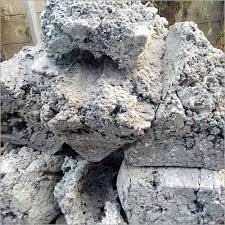
Aluminium Scrap Dross
Product Details:
- Scrap Type Aluminium Dross
- Thickness Variable (as it is scrap dross)
- Condition Used
- Usage Recycling, Metal Recovery
- Metal Type Aluminium
- Density 2.7 Gram per cubic centimeter(g/cm3)
- Application Foundry, Metallurgical Industry, Alloy Manufacturing, Deoxidizing
- Click to view more
X
Aluminium Scrap Dross Product Specifications
- Aluminium
- Recycling, Metal Recovery
- Foundry, Metallurgical Industry, Alloy Manufacturing, Deoxidizing
- Used
- Variable, as per batch
- Grayish White
- Aluminium Dross
- Variable (as it is scrap dross)
- Irregular, depends on the batch
- 2.7 Gram per cubic centimeter(g/cm3)
- 26204010 (Aluminium Dross)
- May contain oxides and non-metallic inclusions
- Dry Covered Space
- Loose Bulk or Bags
- Lump/Granular
- Varies, generally contains 1-10% metallic aluminium
- High
- Around 660°C (aluminium)
- Low
Aluminium Scrap Dross Trade Information
- All India
Product Description
Non-ferrous metals comes under the category of those materials which are used in most industries for making diverse products. The main reason for companies using these metals is that they are low in weight, excellent in conductivity, highly resistance to corrosion and possess non-magnetic property, which in industries like construction and machining are mostly required. Bringing forth a variety of non-ferrous metals is what we specialize in doing.Versatile Aluminium Dross for Industrial Recycling
Aluminium Scrap Dross is an indispensable resource for metal recovery and recycling processes. Its variable purity and form enable flexible handling, while the high recyclability ensures minimal waste. Used by manufacturers, suppliers, and exporters, the dross supports alloy production and foundry applications nation-wide and globally. With low moisture and optimal packaging, quality is maintained during transport and storage.
Optimal Storage and Handling Conditions
To preserve aluminium dross quality, it should be stored in a dry, covered space to avoid moisture pick-up and contamination. The loose bulk or bag packaging supports easy handling across industrial sites. Germany is prominent in supplying and exporting this valuable scrap type due to robust metallurgical infrastructure and compliance with HS Code 26204010.
FAQ's of Aluminium Scrap Dross:
Q: How is aluminium scrap dross typically processed for metal recovery?
A: Aluminium scrap dross is processed by specialized recycling facilities using thermal or mechanical methods. These processes separate the metallic aluminium from oxides and other inclusions, maximizing recovery and minimizing waste before further utilization in alloys or deoxidizing agents.Q: What are the common applications of aluminium dross in the metallurgical industry?
A: Aluminium dross finds use in foundry operations, alloy manufacturing, and as a deoxidizer. Its residual aluminium content makes it suitable for recycling into new metal products, contributing to resource efficiency and cost savings across metallurgical sectors.Q: When should aluminium scrap dross be used in alloy manufacturing?
A: Aluminium scrap dross is used during the alloy production phase, especially when recycled material is needed to achieve specific alloy compositions. Its metal recovery value supports sustainable production by reducing reliance on primary aluminium sources.Q: Where should aluminium scrap dross be stored to maintain its quality?
A: To ensure low moisture and prevent contamination, aluminium dross should be kept in dry, covered spaces. Proper storage is crucial in maintaining its recyclability and efficacy for industrial processing and export requirements.Q: What are the benefits of using aluminium dross in recycling operations?
A: Utilizing aluminium dross in recycling yields high metal recovery rates, lowers raw material costs, and reduces environmental impact. Its recyclability helps industries comply with sustainability regulations and optimize resource usage.Q: How does the variable purity of aluminium dross affect its usage in industrial applications?
A: The purity range (1-10% metallic aluminium) influences the type of recycling and recovery process required, as well as its suitability for specific alloy or deoxidizing applications. Industries select batches based on desired outcomes.Tell us about your requirement

Price:
Quantity
Select Unit
- 50
- 100
- 200
- 250
- 500
- 1000+
Additional detail
Mobile number
Email

Other Products in 'Metal Scraps' category

Contact Us

- Kurtulus Meydani Inonu Bulvari No. 70, Klas Plaza A Blok, Kat 13 D.24-26,Mersin - 33940, Icel, Turkey
ABBAY TRADING GROUP, CO LTD

- Mr. Chris Jones (Sales Manager/Sales)
- Mobile : +905524799947
- abbaytradings2015@gmail.com
- Mr. Chris Jones (Sales Manager/Sales)
Whatsapp +90 552 479 9947
Video
 Send Inquiry
ABBAY TRADING GROUP
All Rights Reserved.(Terms of Use)
Developed and Managed by Infocom Network Private Limited.
Developed and Managed by Infocom Network Private Limited.

