
 Send Inquiry
 Call Us : +905524799947

 Get A Quote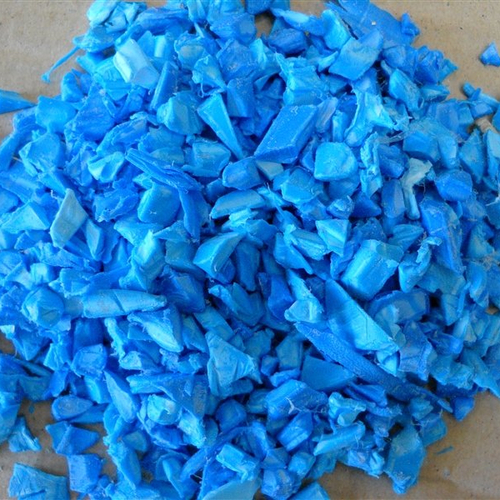
HDPE Regrind and Drum Scrap
Product Details:
- Condition Used
- Thickness 2-6 mm (approx)
- Scrap Type Drum Scrap
- Usage Recycling/Manufacturing
- Metal Type Non-metal (HDPE)
- Density 0.93 Gram per cubic centimeter(g/cm3)
- Application Plastic processing, blow molding, granule manufacturing
- Click to view more
X
HDPE Regrind and Drum Scrap Product Specifications
- 2-6 mm (approx)
- 0.93 Gram per cubic centimeter(g/cm3)
- Varied (typically 58x39x39 cm per drum)
- Used
- Drum Scrap
- Mixed (primarily blue, black, grey)
- 25-30 kg per drum
- Non-metal (HDPE)
- Recycling/Manufacturing
- Plastic processing, blow molding, granule manufacturing
- Neutral/None
- Plastic Drum Chunks
- Low, factory sorted
- Less than 1%
- 100%
- Bulk
- HDPE Regrind
- Loose or jumbo bags
- 120 to 130°C
HDPE Regrind and Drum Scrap Trade Information
- Cash Against Delivery (CAD), Cash Advance (CA)
- All India
Product Description
Regrind HDPE Blue Drum Scrap refers to recycled high-density polyethylene (HDPE) plastic material that has been obtained by grinding and processing discarded blue plastic drums. HDPE is a commonly used plastic material known for its strength, durability, and resistance to chemicals and moisture.
The recycling process involves collecting and sorting discarded blue plastic drums, cleaning them, and then shredding them into small pieces or flakes. The flakes are then further processed through a series of mechanical and chemical treatments to remove impurities and create a uniform particle size.
The resulting HDPE Regrind and Drum Scrap can be used as a raw material for various manufacturing processes, including the production of new plastic products such as plastic bottles, containers, pipes, and other items. Using recycled HDPE material not only reduces the amount of waste going into landfills but also conserves natural resources and reduces energy consumption compared to the production of new plastic material from virgin sources.
It is important to note that the quality and properties of the HDPE Regrind and Drum Scrap may vary depending on factors such as the quality of the original plastic drums, the recycling process used, and the storage and handling of the material. Therefore, it is essential to ensure that the regrind HDPE material meets the required quality standards before using it in any manufacturing process.
Regrind HDPE Blue Drum Scrap has several properties that make it a desirable material for use in various manufacturing applications. Some of the key properties of this material include:
1. High Strength and Durability: HDPE plastic material is known for its high strength and durability. The regrind HDPE blue drum scrap retains these properties, making it suitable for use in applications that require a strong and durable material.
2. Chemical and Moisture Resistance: HDPE is highly resistant to chemicals and moisture, which makes it a preferred material for use in containers, pipes, and other products that come into contact with corrosive substances.
3. Easy Processing: Regrind HDPE Blue Drum Scrap is easy to process and can be molded into various shapes and sizes, making it a versatile material for use in different applications.
4. Recyclability: HDPE is a highly recyclable material, and regrind HDPE blue drum scrap is obtained by recycling discarded plastic drums. The recycling of this material reduces waste and conserves natural resources.
5. Cost-Effective: Using regrind HDPE blue drum scrap in manufacturing processes can be cost-effective, as it is often less expensive than producing new plastic material from virgin sources.
It is important to note that the specific properties of regrind HDPE blue drum scrap can vary depending on the quality of the original plastic drums, the recycling process used, and the storage and handling of the material. Therefore, it is essential to ensure that the regrind HDPE material meets the required quality standards before using it in any manufacturing process.
Consistent Quality for Industrial Use
Our HDPE regrind drum scrap is meticulously sorted at the factory to keep impurity levels low, ensuring reliable performance in various plastic processing industries. With consistent chunk sizes and controlled moisture, this material is tailored for high-efficiency manufacturing, meeting the stringent requirements of recyclers and plastic processors alike.
Flexible Packaging and Bulk Supply
Available in either loose or jumbo bags, our HDPE drum scrap is packaged for both convenience and cost-efficiency. Transported in bulk, the material remains ready for immediate use in your recycling or production line, accommodating large-scale industrial needs and increasing operational throughput.
Eco-Friendly and Fully Recyclable Material
Made entirely from post-consumer HDPE drum scrap, our product is 100% recyclable, helping to minimize environmental impact. By sourcing from a reliable Turkish supply chain, you contribute to a circular plastics economy while enjoying dependable feedstock for manufacturing processes such as blow molding and granule production.
FAQ's of HDPE Regrind and Drum Scrap:
Q: How is your HDPE regrind drum scrap processed before shipment?
A: The HDPE drum scrap is sourced from used plastic drums and undergoes thorough factory sorting to minimize impurities and unwanted debris. Moisture content is controlled to remain below 1%, and the scrap is checked for neutral odors, resulting in clean, consistent drum chunks that are ready for recycling applications.Q: What are the typical applications for your HDPE drum regrind material?
A: Our HDPE drum scrap is ideally suited for plastic processing, blow molding, and granule manufacturing. Due to its consistent thickness and high recyclability, it's frequently used as feedstock for new plastic products such as containers, pipes, and other molded goods.Q: When is the best time to use HDPE drum scrap in production?
A: HDPE drum scrap is suitable for use whenever there is a need for high-density, post-consumer plastic feedstock in recycling or manufacturing operations. Its low impurity and moisture levels make it compatible with continuous production, especially when immediate integration into your process is needed.Q: Where does your HDPE drum regrind originate from?
A: The material is primarily sourced from used plastic drums collected, sorted, and processed in Turkey. Our extensive supply network as a distributor, exporter, manufacturer, supplier, and trader ensures consistent availability and quality.Q: What benefits do I get from using 100% recyclable HDPE drum scrap?
A: Choosing 100% recyclable HDPE drum scrap helps reduce environmental footprint, supports circular economy initiatives, and offers significant cost savings by supplying manufacturers with high-quality, reusable plastic material. It also assists in meeting stringent sustainability and industry compliance goals.Q: How is the product packaged and shipped for bulk industrial orders?
A: Depending on your requirements, the HDPE regrind drum scrap is packed in loose bulk or jumbo bags, making transport and storage straightforward. Each drum typically weighs 25-30 kg, with variable dimensions, facilitating efficient handling for large-scale recycling and manufacturing needs.Tell us about your requirement

Price:
Quantity
Select Unit
- 50
- 100
- 200
- 250
- 500
- 1000+
Additional detail
Mobile number
Email

Other Products in 'Metal Scraps' category

Contact Us

- Kurtulus Meydani Inonu Bulvari No. 70, Klas Plaza A Blok, Kat 13 D.24-26,Mersin - 33940, Icel, Turkey
ABBAY TRADING GROUP, CO LTD

- Mr. Chris Jones (Sales Manager/Sales)
- Mobile : +905524799947
- abbaytradings2015@gmail.com
- Mr. Chris Jones (Sales Manager/Sales)
Whatsapp +90 552 479 9947
Video
 Send Inquiry
ABBAY TRADING GROUP
All Rights Reserved.(Terms of Use)
Developed and Managed by Infocom Network Private Limited.
Developed and Managed by Infocom Network Private Limited.

