
 Send Inquiry
 Call Us : +905524799947

 Get A Quote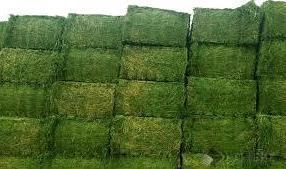
Alfalfa Hay
Product Details:
- Product Type Alfalfa Hay
- Suitable For Cattle, Horse, Sheep, Goat, Dairy Animals
- Grade Premium
- Use Animal Feeding, Forage, Fodder, Feed Supplement
- Function High Nutrition, Enhance Milk Yield
- Protein 17% min
- Ingredients 100% Pure Alfalfa
- Click to view more
X
Alfalfa Hay Product Specifications
- Alfalfa Hay
- 2%
- 12% max
- High Nutrition, Enhance Milk Yield
- Cattle, Horse, Sheep, Goat, Dairy Animals
- Animal Feeding, Forage, Fodder, Feed Supplement
- Fresh Green
- 8% max
- 17% min
- 100% Pure Alfalfa
- Promotes Growth, Improves Milk Production
- Premium
- 88%
- 5-10 cm
- Compressed Bales or Customized
- 0%
- 30-50 kg / bale
- 28-30%
- 12 Months
Product Description
Alfalfa hay is a type of forage commonly used as animal feed, particularly for horses, cows, and other livestock. It is made from the leaves and stems of the alfalfa plant, which is a legume that is high in protein, calcium, and other nutrients.
Alfalfa hay is typically harvested when the plant is young and has not yet bloomed, as this is when it is at its most nutritious. It can be fed to animals either in its natural form or as a compressed pellet.
One of the benefits of alfalfa hay is that it is a good source of protein for animals, particularly those that are lactating or growing. It is also high in calcium, which is important for bone health.
However, alfalfa hay can be expensive compared to other types of forage, and it may not be suitable for all animals. For example, horses with certain health conditions may need to be fed a low-protein diet, in which case alfalfa hay may not be appropriate.
It's always best to consult with a veterinarian or animal nutritionist before making any changes to an animal's diet.
Alfalfa Hay Properties:
Alfalfa hay has several properties that make it a valuable source of nutrition for animals:
1. High Protein Content: Alfalfa hay is a rich source of protein, containing up to 20% protein by weight. This makes it an excellent feed for livestock that need high levels of protein, such as lactating cows, growing horses, and other young animals.
2. Rich in Vitamins and Minerals: Alfalfa hay is also rich in vitamins and minerals, including vitamin A, vitamin D, vitamin E, calcium, potassium, and magnesium. These nutrients are essential for maintaining healthy bones, muscles, and overall health in animals.
3. Digestibility: Alfalfa hay is highly digestible, meaning that animals can absorb a large portion of its nutrients during digestion. This makes it an efficient feed that can help animals maintain weight and health.
4. Palatability: Many animals find alfalfa hay to be highly palatable due to its sweet taste and texture. This can make it an attractive feed for animals that are picky eaters or that need to be enticed to eat.
5. Low in Fiber: Although alfalfa hay is high in protein and other nutrients, it is relatively low in fiber. This can make it less suitable for animals that require a high-fiber diet, such as rabbits or some types of ruminants.
Overall, alfalfa hay is a nutritious and valuable feed for many types of animals, but its suitability may depend on the specific nutritional needs of the animal in question.
Frequently Asked Questions:
1. What is the difference between alfalfa hay and alfalfa pellets?
Ans: Alfalfa hay is the natural form of the forage, consisting of dried stems and leaves. Alfalfa pellets, on the other hand, are made by compressing alfalfa hay into small pellets. Pellets may be easier to store and transport, but some animals may prefer the natural form of the hay.
2. How should I store alfalfa hay?
Ans: Alfalfa hay should be stored in a dry, well-ventilated area, away from direct sunlight. It's best to store it off the ground to prevent moisture and mold from accumulating. Ideally, alfalfa hay should be stored in a cool environment to help preserve its quality.
3. Can horses eat alfalfa hay?
Ans: Yes, horses can eat alfalfa hay, and it is often used as a feed for horses. However, it is important to feed horses alfalfa hay in moderation, as it is high in protein and calories, which can lead to weight gain and other health issues if overfed.
4. Can rabbits eat alfalfa hay?
Ans: Yes, rabbits can eat alfalfa hay, and it is often recommended as a feed for young rabbits and pregnant or lactating does. However, some adult rabbits may not tolerate the high protein and calcium content of alfalfa hay, so it is best to consult with a veterinarian before feeding it to adult rabbits.
5. How much alfalfa hay should I feed my animal?
Ans: The amount of alfalfa hay that should be fed to an animal depends on several factors, such as the animal's size, age, and nutritional needs. It's best to consult with a veterinarian or animal nutritionist to determine the appropriate amount of alfalfa hay for your animal. As a general guideline, most animals can be fed 1-2% of their body weight in hay per day.
Nutritional Excellence and Quality
Premium Alfalfa Hay stands out with its high protein content (17% min) and balanced fiber (28-30%), supporting digestive health and productivity in livestock. The fresh green hues signify rich chlorophyll, while low ash and fat content contribute to a wholesome dietary profile. Every bale is rigorously tested to ensure zero impurities and maintained at maximum 12% moisture, guaranteeing both safety and palatability for all animals.
Flexible Packaging and Long Shelf Life
Our hay is delivered in compressed bales (30-50 kg) or customized packages suited to various storage requirements. The chopping length (5-10 cm) encourages easy consumption, while advanced packaging techniques preserve the beneficial nutrients for up to 12 months. This makes it convenient for large-scale distributors, exporters, and local farmers seeking reliable, long-term fodder solutions.
Ideal for Diverse Livestock
Specially formulated to suit cattle, horses, sheep, goats, and dairy animals, our alfalfa hay fulfills essential feeding needs. As a versatile forage, it functions as both a primary feed and a supplement, contributing to efficient growth and elevated milk production. Its efficacy in promoting overall animal health makes it a preferred choice for farmers and feed suppliers alike.
FAQs of Alfalfa Hay:
Q: How should Alfalfa Hay be stored to maintain its quality and shelf life?
A: Store Alfalfa Hay in a cool, dry, and well-ventilated area, away from direct sunlight and moisture. Keeping bales off the ground and protected from rain helps preserve the nutrients and prevent spoilage, supporting its 12-month shelf life.Q: What benefits does feeding Alfalfa Hay offer to livestock?
A: Alfalfa Hay provides high levels of protein, fiber, and essential nutrients, which promote healthy growth, support digestion, and enhance milk yield in dairy animals. Its pure composition also improves animal vitality and overall productivity.Q: When is the recommended time to feed Alfalfa Hay to animals?
A: Alfalfa Hay can be fed year-round as a primary forage or supplement, especially during periods when pasture availability is limited. It is suitable for daily rations to dairy cattle, horses, goats, and sheep to ensure consistent nutrition.Q: Where is your Alfalfa Hay sourced and processed?
A: Our alfalfa hay is sourced from premium fields and processed in Turkey, adhering to strict quality standards to ensure purity, nutritional value, and safe consumption for livestock.Q: What is the standard bale size and packaging option for this Alfalfa Hay?
A: Each bale weighs between 30-50 kg and is available in compressed or customized packaging. This allows for flexible storage and efficient transport for wholesalers, distributors, and individual farmers.Q: Is there any impurity or additive in the Alfalfa Hay?
A: No, our Alfalfa Hay is 100% pure with 0% impurities and contains no additives. It is carefully cleaned and processed to deliver only high-quality, natural forage.Tell us about your requirement

Price:
Quantity
Select Unit
- 50
- 100
- 200
- 250
- 500
- 1000+
Additional detail
Mobile number
Email

Other Products in 'Animal Foods' category

Contact Us

- Kurtulus Meydani Inonu Bulvari No. 70, Klas Plaza A Blok, Kat 13 D.24-26,Mersin - 33940, Icel, Turkey
ABBAY TRADING GROUP, CO LTD

- Mr. Chris Jones (Sales Manager/Sales)
- Mobile : +905524799947
- abbaytradings2015@gmail.com
- Mr. Chris Jones (Sales Manager/Sales)
Whatsapp +90 552 479 9947
Video
 Send Inquiry
 Call Me Free
ABBAY TRADING GROUP
All Rights Reserved.(Terms of Use)
Developed and Managed by Infocom Network Private Limited.
Developed and Managed by Infocom Network Private Limited.

