
 Send Inquiry
 Call Us : +905524799947

 Get A Quote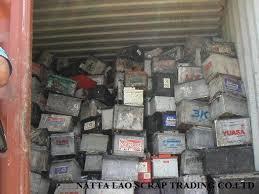
Drained Lead Car Battery Scraps (Rains)
Product Details:
- Thickness Variable, depends on battery design
- Condition Used / Drained
- Usage Battery Recycling, Lead Recovery
- Scrap Type Rains (Drained Car Battery Scraps)
- Metal Type Lead (Pb)
- Density 11.34 Gram per cubic centimeter(g/cm3)
- Application Industrial, Metallurgical, Secondary Lead Manufacturing
- Click to view more
X
Drained Lead Car Battery Scraps (Rains) Product Specifications
- Industrial, Metallurgical, Secondary Lead Manufacturing
- Variable, depends on battery design
- 11.34 Gram per cubic centimeter(g/cm3)
- Dependent on individual battery, typically 305mm x 173mm x 225mm
- Varies (Typically Black, Grey, and White)
- Rains (Drained Car Battery Scraps)
- Lead (Pb)
- Approx. 25-35 kg per battery unit
- Battery Recycling, Lead Recovery
- Used / Drained
- Stored in Dry and Covered Area to Prevent Corrosion
- RAINS
- Less than 1%
- Acid Free, Minimal Plastic/Rubber Residue
- Raw Material for Secondary Lead Smelters and Recyclers
- Lead Content: 60-70% by weight
- Packed in Bales or Pallets
- Includes plastic battery casings and separators
- No Sealed Units, No Radioactive Materials
- Wear Gloves and Eye Protection; Environmental Precautions
- Automotive Lead Acid Batteries (Drained)
Product Description
Specifications
Product Name: Draied Lead Battery Scrap
1. Car Battery Scrap
2. Mobile Battery Scrap
3. Computer Battery Scrap
Product Name: Draied Lead Battery Scrap
1. Car Battery Scrap
2. Mobile Battery Scrap
3. Computer Battery Scrap
4. Battery
5. Electric Cars Battery Scrap
Payment:100% sight LC or T/T
Packing: Loose Packing or 1MT/Bag
Delivery Time: 1-2 weeks
Power:1500MT/Month
High-Quality Raw Material for Lead Recovery
Drained lead acid battery scraps (RAINS) offer a substantial lead content of 60-70% with minimal contamination by plastic and moisture. These scraps serve as an efficient source material for secondary lead recovery, catering to industrial and metallurgical operations. Strict handling and storage protocols ensure both safety and product integrity, making them ideal for reliable and effective recycling processes.
Industry Standards and Safe Handling Practices
The scraps conform to ISRI RAINS codes and are packed in bales or pallets, stored in dry and covered environments to avoid corrosion. Handling requirements include protective gloves and eye wear, while environmental precautions are observed to mitigate hazards. Compliance with these standards supports consistent quality and industry safety, facilitating the smooth supply chain for manufacturers and exporters.
FAQs of Drained Lead Car Battery Scraps (Rains):
Q: How are drained lead car battery scraps processed for secondary lead recovery?
A: These scraps are collected, acid-drained, sorted to remove excess plastic and rubber, and packed in bales or pallets. They are supplied to secondary lead smelters and recyclers who use advanced metallurgical methods to extract valuable lead content from the batteries.Q: What are the main benefits of using RAINS car battery scraps for recycling?
A: RAINS scraps provide high purity lead (60-70%) with minimal contaminants, ensuring efficient lead recovery. Their consistent composition helps secondary lead manufacturers and recyclers reduce processing time, optimize yield, and meet industrial standards.Q: When should these battery scraps be stored and handled?
A: Storage and handling should take place immediately after collection, in dry, covered areas to prevent corrosion. Protective gloves and eye wear must be used during handling to ensure both operator safety and product quality.Q: Where are RAINS drained battery scraps commonly used in industry?
A: These scraps serve as essential raw material in secondary lead smelting operations, used in metallurgical, industrial, and manufacturing facilities involved in lead recycling and production across India and global markets.Q: What precautions are needed during storage and handling of lead battery scraps?
A: Operators should wear gloves and eye protection, keep scraps dry and covered to prevent corrosion, and ensure prohibited materialslike sealed units or radioactive componentsare absent to maintain environmental and worker safety.Q: How does the minimal moisture and plastic content affect recycling efficiency?
A: Low moisture (under 1%) and reduced plastic residue help maximize lead recovery, decrease environmental impact, and streamline smelting operations, resulting in higher quality recycled lead products with minimal waste.Tell us about your requirement

Price:
Quantity
Select Unit
- 50
- 100
- 200
- 250
- 500
- 1000+
Additional detail
Mobile number
Email

Other Products in 'Metal Scraps' category

Contact Us

- Kurtulus Meydani Inonu Bulvari No. 70, Klas Plaza A Blok, Kat 13 D.24-26,Mersin - 33940, Icel, Turkey
ABBAY TRADING GROUP, CO LTD

- Mr. Chris Jones (Sales Manager/Sales)
- Mobile : +905524799947
- abbaytradings2015@gmail.com
- Mr. Chris Jones (Sales Manager/Sales)
Whatsapp +90 552 479 9947
Video
 Send Inquiry
ABBAY TRADING GROUP
All Rights Reserved.(Terms of Use)
Developed and Managed by Infocom Network Private Limited.
Developed and Managed by Infocom Network Private Limited.

