
 Send Inquiry
 Call Us : +905524799947

 Get A Quote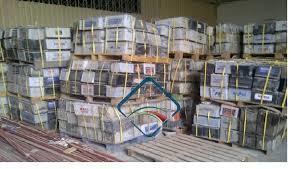
Lead batteries scrap
Product Details:
- Thickness Variable
- Usage Industrial recycling
- Condition Used
- Scrap Type Lead batteries scrap
- Metal Type Lead (Pb)
- Density 11.34 Gram per cubic centimeter(g/cm3)
- Application Metal recovery, Secondary lead production, Smelting
- Click to view more
X
Lead batteries scrap Product Specifications
- Used
- Grey/Black
- Lead batteries scrap
- Bulk lot (varies)
- Variable
- 11.34 Gram per cubic centimeter(g/cm3)
- Varies
- Industrial recycling
- Lead (Pb)
- Metal recovery, Secondary lead production, Smelting
- Varies per battery, typically 60-80% of battery weight
- Suitable for lead smelting and refining industries
- Corrosive and toxic; handle with protective gear
- Store in cool, dry area away from ignition sources
- Loose or on pallets
- Plastic, Acid residue, Separator material
- Meets international hazardous waste transport standards
- Automotive & Industrial Lead-Acid Batteries
- Worldwide
Product Description
Drained Lead Car Battery Scraps (Rains)
Drained Lead-Acid Battery Scrap (RAINS per ISRI Specifications).
Our Acid Battery Scrap on 99.97%.
Monthly Supply Capacity: 500 - 1500 metric tons,
Type: all kind of scrap batteries,
Fe Content: HMS
Fe Content (%): 100%)
Drained Battery Scrap: Black
Packaging Detail: Pallet with shrink wrapping.
Contact us for more details and photos.
Reliable Source of Secondary Lead
Automotive and industrial lead-acid battery scrap is a strategic input for metal recovery industries. With a high lead content and robust supply channels, these scraps support the production of high-quality secondary lead. Compliance with hazardous waste regulations ensures safe and consistent shipments worldwide to smelters and refineries.
Safe Handling and Storage Guidelines
Due to corrosive and toxic properties, battery scrap must be handled with protective equipment and stored in cool, dry areas away from ignition sources. Proper containment, such as using pallets or secure loose storage, minimizes environmental and health risks while ensuring safe transport over long distances.
FAQs of Lead batteries scrap:
Q: How should automotive and industrial lead-acid battery scrap be stored?
A: Scrap batteries must be stored in cool, dry conditions, away from sources of ignition, to prevent hazards. It is recommended to use secure pallets or designated loose storage while ensuring the area is well-ventilated and compliant with hazardous waste standards.Q: What impurities are typically found in lead-acid battery scrap?
A: Lead-acid battery scrap may contain plastic casings, acid residue, and separator materials. These impurities are managed during the recycling process to optimize lead recovery and meet industry purity requirements.Q: When is this scrap suitable for use in the lead smelting and refining industry?
A: Immediately after collection and appropriate storage, lead battery scrap is ready for processing in lead smelting and refining facilities specialized in handling hazardous waste and recovering secondary lead.Q: Where can lead batteries scrap be exported from and to which regions?
A: These scraps are distributed globally from Turkey, reaching export markets worldwide and catering to secondary smelters, metal refineries, and recycling industries operating in different countries.Q: What is the process for recycling lead battery scrap?
A: The recycling process involves draining acid, removing impurities like plastic and separators, and then smelting the lead-rich material. This yields refined or secondary lead for reuse in various metal production applications.Q: How is the lead content in the scrap beneficial for industrial applications?
A: With a lead content ranging from 60-80%, these scraps are an efficient source for secondary lead production. Industries benefit from a consistent, cost-effective supply of raw material for manufacturing new batteries, alloys, and other lead-based products.Q: What protective measures should be taken while handling lead battery scrap?
A: Handlers must use appropriate protective gear, such as gloves and masks, due to the corrosive and toxic nature of the materials. Adhering to hazardous waste handling protocols minimizes health risks and ensures environmental safety.Tell us about your requirement

Price:
Quantity
Select Unit
- 50
- 100
- 200
- 250
- 500
- 1000+
Additional detail
Mobile number
Email

Other Products in 'Metal Scraps' category


Contact Us

- Kurtulus Meydani Inonu Bulvari No. 70, Klas Plaza A Blok, Kat 13 D.24-26,Mersin - 33940, Icel, Turkey
ABBAY TRADING GROUP, CO LTD

- Mr. Chris Jones (Sales Manager/Sales)
- Mobile : +905524799947
- abbaytradings2015@gmail.com
- Mr. Chris Jones (Sales Manager/Sales)
Whatsapp +90 552 479 9947
Video
 Send Inquiry
ABBAY TRADING GROUP
All Rights Reserved.(Terms of Use)
Developed and Managed by Infocom Network Private Limited.
Developed and Managed by Infocom Network Private Limited.

