
 Send Inquiry
 Call Us : +905524799947

 Get A Quote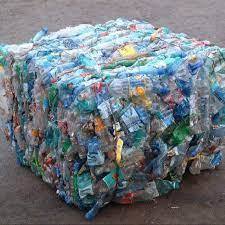
Hdpe And Pet Bottle Scrap
Product Details:
- Condition Used / Scrap
- Usage Recycling, reprocessing, manufacturing granules
- Thickness Varies (typically 0.5 - 2 mm)
- Scrap Type Hdpe And Pet Bottle Scrap
- Metal Type Non-metallic (Plastic: HDPE, PET)
- Density 0.94 Gram per cubic centimeter(g/cm3)
- Application Plastic bottle recycling, industrial raw material
- Click to view more
X
Hdpe And Pet Bottle Scrap Product Specifications
- Varies per bale: typically 30-100 kg/bale
- Varies (typically 0.5 - 2 mm)
- Hdpe And Pet Bottle Scrap
- Used / Scrap
- Mixed colors (Transparent, Blue, Green, etc.)
- Varies per packing; e.g., 1.2m x 0.8m x 1m (approx)
- Recycling, reprocessing, manufacturing granules
- Non-metallic (Plastic: HDPE, PET)
- 0.94 Gram per cubic centimeter(g/cm3)
- Plastic bottle recycling, industrial raw material
- Minimal (sorted and cleaned before supply)
- Ideal for flake/granule production, fiber, and plastic products manufacturing
- <2% (as per standard)
- Dry, shaded, and ventilated warehouse
- Suitable for container loading, bulk shipment
- Odorless or mild residual smell
- 100% post-consumer/industrial HDPE and PET bottles
- Crushed, baled bottles
- Compressed bales, plastic-wrapped or strapped
Hdpe And Pet Bottle Scrap Trade Information
- All India
Product Description
Leveraging on our rich industry experience in this domain, we are engaged in exporting, manufacturing, distributing, supplying and trading of Hdpe And Pet Bottle Scrap i. The provided scraps are extensively used in various industries as raw material to make various allied products. The offered scraps are highly demanded among our precious clients for their high ductility and recyclable nature. Moreover, clients can avail these scraps from us at competitive prices.High-Quality Recycled Material
Our HDPE and PET bottle scrap is thoroughly processed, including sorting and cleaning, to deliver minimal contamination and uniform moisture content below 2%. Each bale is securely wrapped or strapped to ensure safe transport and storage, making it suitable for a variety of recycling operations and manufacturing needs.
Versatile Applications in Recycling
This material is ideal for flakes and granule production, fiber manufacturing, and as an industrial raw material in plastic product creation. Its reliability and consistent quality support efficient processing and help maintain high output standards for downstream operations.
FAQ's of Hdpe And Pet Bottle Scrap:
Q: How is HDPE and PET bottle scrap processed before delivery?
A: The HDPE and PET bottle scrap is sorted and thoroughly cleaned to minimize contaminants, then crushed and compressed into bales. This process ensures that the scrap maintains a low moisture content, is odorless or mildly residual, and is ready for safe transportation and recycling.Q: What are the primary uses and benefits of this bottle scrap?
A: This scrap is mainly used for recycling into flakes, granules, or fibers, as well as manufacturing new plastic products. The main benefits include supporting circular economies, reducing landfill waste, and supplying cost-effective, high-quality raw material for industrial applications.Q: When should the material be processed after delivery?
A: To maintain the quality and integrity of the bottle scrap, it is recommended to process the material as soon as possible after delivery, ideally while storing it in a dry, shaded, and ventilated warehouse to prevent moisture uptake and contamination.Q: Where is this HDPE and PET bottle scrap sourced and supplied from?
A: This product is distributed, exported, and supplied from Poland and is available to buyers worldwide. The material is handled by experienced distributors, exporters, manufacturers, suppliers, and traders to ensure quality and compliance with industry standards.Q: What are the standard packing and transportation methods for this scrap?
A: The scrap is packaged in compressed, plastic-wrapped, or strapped bales, typically weighing 30 to 100 kg and dimensioned for efficient container loading and bulk shipments. This ensures secure handling during transit and ease of storage upon arrival.Q: How does using this scrap benefit recycling and manufacturing processes?
A: Utilizing this scrap as a raw material reduces the dependency on virgin plastics, lowers environmental impact, and offers cost savings. Its consistent density and mixed colors are suitable for producing a wide range of recycled plastic products, supporting sustainable industrial practices.Q: Which industries can utilize HDPE and PET bottle scrap?
A: Industries engaged in recycling, reprocessing, granule production, fiber manufacturing, and plastic product fabrication can effectively use this scrap. Its versatility and compliance with quality standards make it a preferred choice for various processing operations.Tell us about your requirement

Price:
Quantity
Select Unit
- 50
- 100
- 200
- 250
- 500
- 1000+
Additional detail
Mobile number
Email

Other Products in 'Metal Scraps' category

Contact Us

- Kurtulus Meydani Inonu Bulvari No. 70, Klas Plaza A Blok, Kat 13 D.24-26,Mersin - 33940, Icel, Turkey
ABBAY TRADING GROUP, CO LTD

- Mr. Chris Jones (Sales Manager/Sales)
- Mobile : +905524799947
- abbaytradings2015@gmail.com
- Mr. Chris Jones (Sales Manager/Sales)
Whatsapp +90 552 479 9947
Video
 Send Inquiry
ABBAY TRADING GROUP
All Rights Reserved.(Terms of Use)
Developed and Managed by Infocom Network Private Limited.
Developed and Managed by Infocom Network Private Limited.

